
The government had set a firm deadline to stop mailing physical checks, pushing everyone toward digital banking. However, as we move through January 2026, the situation has shifted. While the goal is still to move toward electronic payments, the government has introduced more flexibility to ensure that no one is left behind.
If you are one of the thousands of people who still rely on the mail for your benefits, you do not need to panic. The strict cutoff that many feared has been replaced with a more compassionate approach. Here is the latest update on where the paper check transition stands today.
Table of Contents
Why the Push for Digital Payments Started
The move toward a paperless system was driven by three main factors: speed, safety, and cost. Electronic payments reach your account instantly, meaning you never have to wait for the mail carrier or worry about a check being delayed by bad weather. According to data from the Treasury Department, paper checks are 16 times more likely to be lost, stolen, or altered than direct deposits.
From a budget perspective, the government saves a significant amount of money by going digital. It costs about $0.50 to print and mail a single check, while an electronic transfer costs less than $0.15. With over 69 million people receiving benefits, those small savings add up to over $150 million every year.
The 2025 Deadline and the Policy Shift
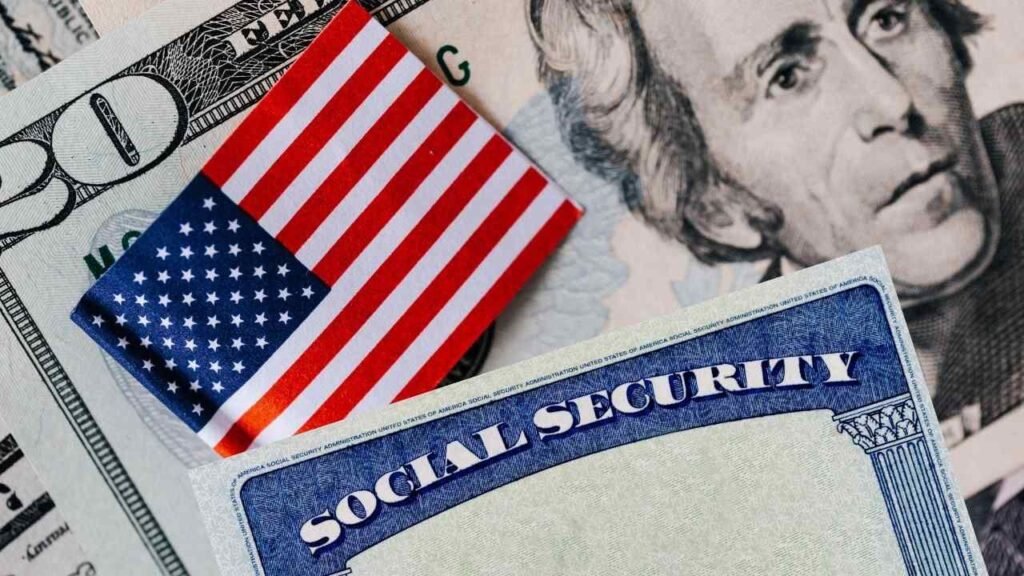
In early 2025, an executive order titled Modernizing Payments to and From America’s Bank Account set a target date of September 30, 2025, to end paper check disbursements. This applied not just to Social Security, but also to tax refunds and other federal payments. As that date approached, the Social Security Administration realized that a total ban on paper checks would harm many citizens.
In response to these concerns, officials have softened their stance. While the government is no longer offering temporary checks for new claims, they have confirmed that existing beneficiaries who truly cannot switch will continue to receive their paper checks. The focus for 2026 has shifted from strict enforcement to education and support for those who are still using the traditional mail system.
Who is Still Eligible to Receive Paper Checks
The government understands that technology is not accessible to everyone. There are several specific groups of people who are being granted waivers to continue receiving their benefits by mail. If you fall into one of these categories, your paper checks can continue for the time being.
- Senior citizens who have difficulty using computers or navigating online banking systems.
- Individuals living in rural areas with unreliable internet or no local bank branches nearby.
- People with physical or mental disabilities that make it hard to manage a debit card.
- Those who do not have a bank account and prefer not to use a prepaid card option.
- Residents of remote areas where mail is the only consistent form of communication available.
Your Options for Receiving Monthly Benefits
If you are ready to make the switch, there are a few simple ways to set up electronic payments. Each method has its own benefits depending on your financial situation. Choosing a digital method can help you avoid the potential for mail theft or delays caused by seasonal weather.
| Payment Method | How it Works | Best For |
| Direct Deposit | Money goes straight into your bank or credit union account. | People with a checking or savings account. |
| Direct Express Card | A prepaid debit card that is automatically loaded each month. | Those without a bank account who want a card. |
| Paper Check | Mailed to your home address via the U.S. Postal Service. | Those with limited tech or banking access. |
| Digital Wallets | Funds are sent to verified electronic payment apps. | Tech savvy users who prefer mobile banking. |
Steps to Take if You Want to Switch Today
If you decide that you are ready to move away from paper checks, the process is straightforward. You can update your information through your online Social Security account or by calling the Treasury Department. Switching now can give you peace of mind and ensure your money is available the moment it is sent.
Log in to your personal account at the official Social Security website. Have your bank account number and routing number ready if choosing direct deposit. You can also call 1-800-333-1795 if you want to sign up for the Direct Express debit card. If you need in person help with the forms, you can visit a local Social Security office. Even if you switch to digital, ensure your mailing address is up to date for official notices.


