
The landscape of federal benefits is undergoing a significant transformation. For years, the government has signaled a move toward a digital first approach for distributing Social Security and other federal payments. While the push to eliminate paper checks was initially framed with strict deadlines, recent updates suggest a more compassionate and flexible path forward. This shift ensures that while the system modernizes, no beneficiary is left behind due to a lack of technology or banking access.
Table of Contents
Why Electronic Payments Are the New Standard
The transition away from physical mail is driven by several practical factors. Electronic payments, such as direct deposit, are significantly faster and more reliable than traditional mail. They eliminate the risk of a check being lost in transit, stolen from a mailbox, or delayed by weather. Furthermore, the cost to the taxpayer is much lower when funds are transferred digitally. Currently, the vast majority of recipients have already made the switch, with over 99 percent of beneficiaries receiving their money electronically.
Understanding the Shift in Government Policy
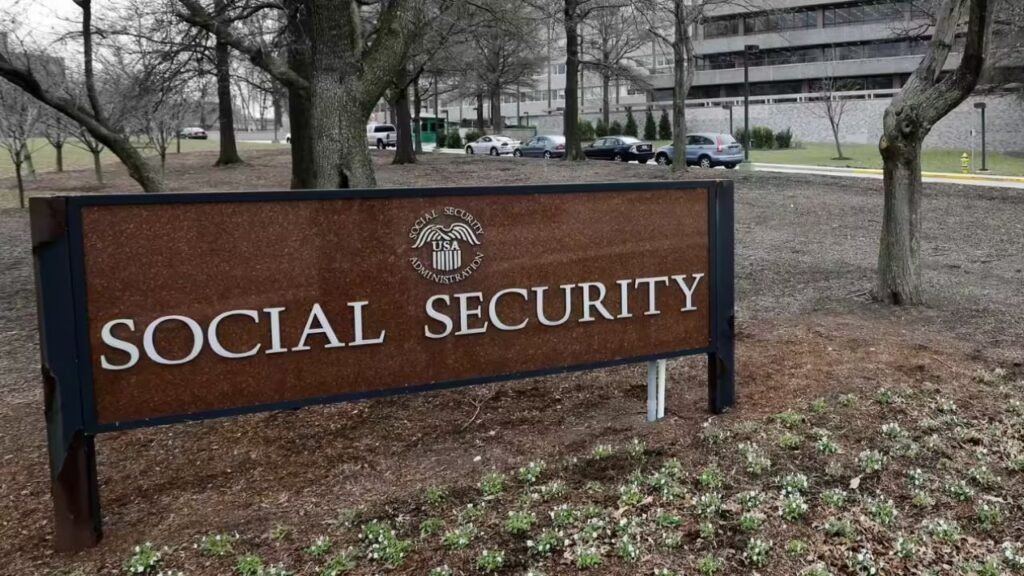
In the recent past, the Treasury Department set firm dates for the cessation of paper checks, aiming for a total transition by the end of 2025. This was part of a larger initiative to modernize the financial infrastructure of the country. However, as those deadlines approached, officials recognized that a one size fits all approach could harm vulnerable populations. The Social Security Administration has since clarified that the transition will be more gradual. The goal remains the same, but the enforcement is now focused on support rather than strict cutoffs.
Who Can Still Receive Paper Checks
The government has acknowledged that certain individuals face unique challenges when it comes to digital banking. Exceptions are being made for those who truly cannot transition to electronic methods. This flexibility is vital for ensuring financial security for all.
- Senior citizens who are not comfortable using computers or smartphones.
- Individuals living in remote or rural areas with limited internet connectivity.
- People who do not have access to traditional banking institutions.
- Recipients who face physical or cognitive barriers to managing digital accounts.
Comparing Your Payment Options
Choosing the right way to receive your benefits depends on your personal circumstances and comfort level with technology.
| Payment Method | Speed | Safety Level | Requirements |
| Direct Deposit | Instant | Very High | Active Bank Account |
| Direct Express Card | Instant | High | None (Prepaid Card) |
| Paper Check | Slow | Moderate | Physical Mailing Address |
How to Manage Your Benefits Successfully
If you are still receiving a paper check, you have several paths available to you. You can visit the official Social Security website or your local office to sign up for direct deposit if you have a bank account. For those without a bank account, the Direct Express debit card is a popular alternative that requires no credit check. If you find that you absolutely must continue receiving paper checks, you can contact the Treasury Department to discuss a waiver based on your specific hardships. The priority of the administration is to ensure that every person receives their funds safely and on time.


